Solar Micro-Grids Are Powering a New Generation of Kenyan Entrepreneurs
By · July 30, 2026 · 1 min read
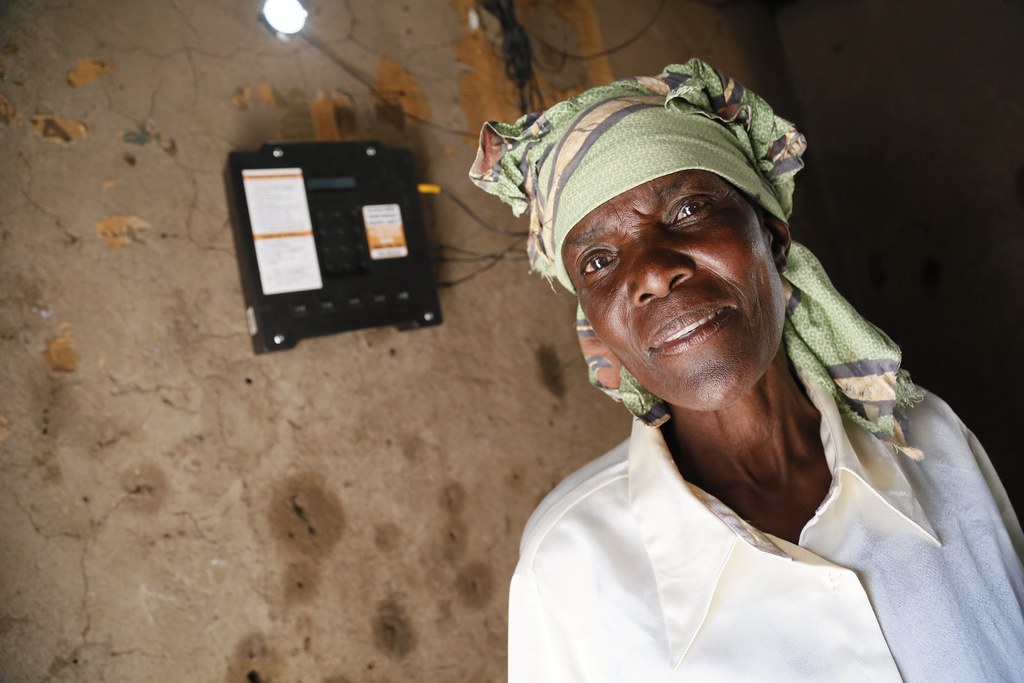
Before the micro-grid switched on last year, Everlyne Atieno ran her tailoring shop on a small petrol generator, spending nearly a third of her daily income on fuel. Today, a 40-kilowatt solar array feeding a local mini-grid powers her sewing machines, three refrigeration units for a neighbouring fish trader, and a welding workshop down the road.
“We used to close early because the generator was too expensive to run all day,” Atieno says. “Now we’re open until dark, and my costs have gone down by more than half.”
The mini-grid is one of a growing number of community-scale solar projects designed specifically around productive use — powering income-generating equipment rather than just household lighting. Developers say the model works because it pairs power access directly with the economic activity needed to sustain it financially.
Early results are encouraging: local business owners report revenue increases of 20-40% since connecting, and the mini-grid operator says its cost-recovery timeline has improved as more productive-use customers come online. Whether the model scales beyond a handful of pilot sites will depend on financing structures that can absorb the higher upfront cost of productive-use equipment alongside the grid itself.