Why Africa’s Clean Cooking Transition Is Lagging — and What Could Change That
By · July 30, 2026 · 1 min read
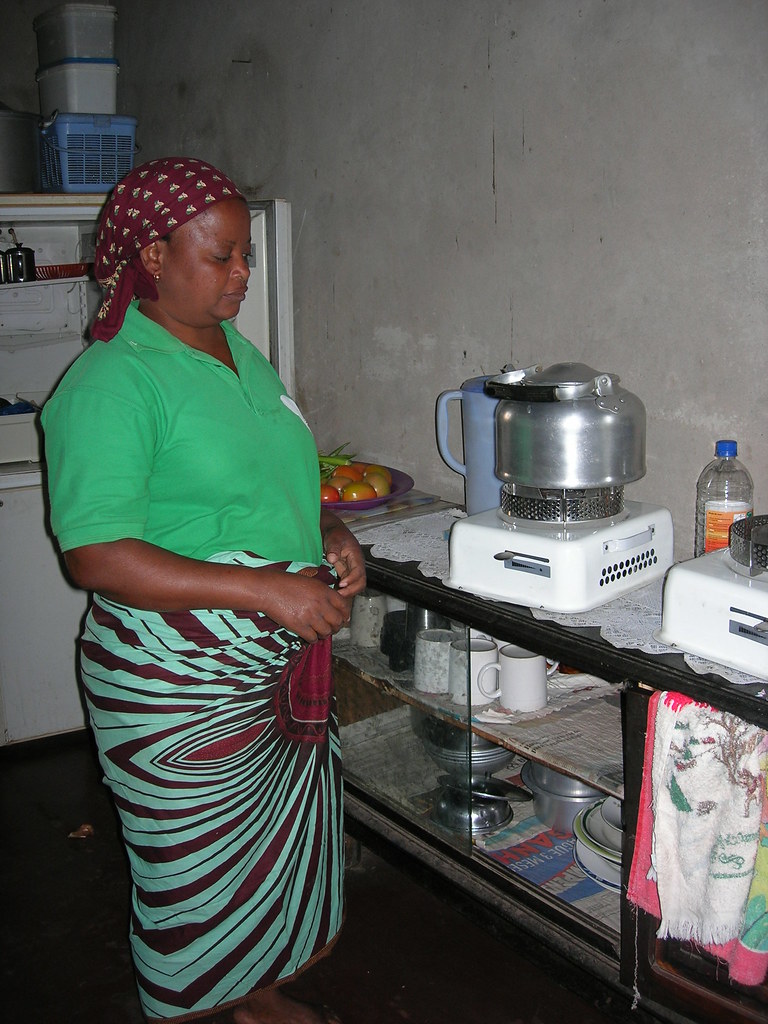
Of the tens of billions of dollars committed annually to Africa’s energy transition, clean cooking has historically received a small share — despite household air pollution from traditional cooking being one of the continent’s largest public health burdens.
Part of the challenge is structural: unlike a solar mini-grid or wind farm, a clean cookstove doesn’t generate a metered revenue stream that investors can underwrite in the same way. Financing models are adapting in response, with carbon credit programmes and results-based financing increasingly used to bridge the gap between what households can afford and what a viable clean-cooking business needs to operate.
“The technology exists and works,” says one regional clean energy analyst. “What’s been missing is a financing architecture that treats clean cooking as seriously as it treats electricity.” A handful of countries have begun folding clean cooking targets directly into their national energy transition plans — a shift that could unlock larger, more coordinated investment if it holds.